

The Haunting of Lilford Hall

Some buildings carry history quietly within their walls. Others seem to echo with it. Lilford Hall, set in the Northamptonshire countryside, is one of those rare places where the past feels close enough to touch. Over the centuries, it has been home to notable families, wielded political influence, and preserved an intellectual legacy. Yet between 2012 and 2013, it became the centre of one of the most extraordinary and baffling paranormal cases ever recorded.

Lilford Hall - Home to the man responsible for the Pilgrim Fathers.
The story did not begin as a ghost hunt. A team of thirteen experienced professionals gathered at Lilford Hall to produce a serious historical television documentary. Their focus was on Robert Browne, the radical religious thinker often described as the visionary behind the Pilgrim Fathers. During the reign of Elizabeth I, Browne argued for the separation of church and state, ideas that would later echo powerfully in the founding principles of the United States. His theological and political philosophy influenced the wording of the US Constitution. One of his direct descendants is widely believed to have fired the first shot of the American War of Independence. Through marriage and lineage, Lilford Hall later became connected to families linked with George Washington and John Quincy Adams.
This was no ordinary country house. It was, in many ways, part of the intellectual ancestry of modern America.
The documentary team arrived expecting long days of research, filming, and interviews. They were not looking for ghosts. Most were focused professionals, more concerned with camera angles and historical accuracy than tales of the supernatural. Yet almost from the outset, something felt wrong.
Doors refused to remain shut. Heavy wooden doors that had been firmly closed would swing open moments later without any noticeable draught. Windows, latched securely, would rattle and bang as though forced from the outside. At first, these incidents were dismissed as quirks of an old building. Lilford Hall is centuries old, and ancient houses shift, creak, and breathe with changes in temperature.

Then, events escalated.
On one occasion, while members of the team stood in an adjoining room, a substantial door was silently torn from its hinges. There was no warning crash, no splintering sound. It simply gave way, as if removed by an unseen force. The crew rushed in, expecting to find structural failure or someone responsible. There was no one there.
More alarming still were the reports of debris being thrown. Small objects and fragments were hurled without visible cause, not only at the documentary crew but also at builders who were engaged in restoration work on the property. These were not isolated impressions seen by one imaginative observer. Multiple witnesses described similar events, often simultaneously. Builders who had little interest in historical theology or ghost stories reported tools being displaced and objects moving across rooms.
Then, the apparitions began.
Several team members independently reported seeing a man wearing what appeared to be a pilgrim-style hat and cloak. The figure was seen in corridors, on staircases, and standing momentarily at the edge of rooms before vanishing. The descriptions were strikingly consistent. The clothing resembled that of the late sixteenth century, aligning with Robert Browne’s era. Witnesses were adamant that they had not been influenced by one another; in some cases, they had not even discussed their experiences until they realised the similarities.

The phenomena reached a climax one night when the entire crew was awakened by what sounded like a lively celebration in the upper ballroom. Multiple voices could be heard, laughter echoing as though a gathering were in full swing. It was not a faint whisper but the unmistakable sound of many people in animated conversation. Assuming an intruder or unexpected visitors, the team hurried upstairs. The moment they entered the ballroom, the noise stopped. The vast room stood empty and silent.
What made the events at Lilford Hall particularly compelling was the collective nature of the experiences. This was not a single individual claiming a private vision. Thirteen professionals, none of whom had arrived seeking the supernatural, found themselves confronting phenomena that defied easy explanation. Shared experiences carry a different weight. They are harder to dismiss as imagination or suggestion.
Up to 2,000 bodies lie under the lawn in de-consecrated ground?
Adding another layer of mystery, the estate’s resident historian uncovered evidence that a church and cemetery once stood within the grounds. At some point in the estate’s development about 300 years ago, the church was removed, and the headstones relocated. However, documentation suggested that while the markers were moved, the bodies themselves may not have been exhumed. If true, human remains of an estimated up to 2000 people could still lie beneath what is now lawn on deconsecrated ground.
Over the years, there have been other reports of strange activity at Lilford Hall. Staff and visitors have reported cold spots in otherwise warm rooms, footsteps in empty corridors, and a persistent sense of being watched. Lights have reportedly flickered without an electrical fault. Doors have been heard opening and closing when no one was present. These stories existed long before the documentary team arrived, yet they had rarely been publicised.
For many observers, the most intriguing aspect remains the repeated sightings of the cloaked figure. Robert Browne’s legacy is deeply entwined with Lilford Hall. He lived there, thought there, and developed ideas that would ripple across continents and centuries. Some now believe that Browne, often described as the “grandfather” of the United States as a nation, still walks the halls of his beloved estate.

Sceptics point to natural explanations. Old buildings can produce surprising physical effects. Air pressure changes can move doors. Structural weaknesses can cause sudden failures. Acoustic anomalies can carry distant sounds in unexpected ways. In a large historic house, noises can travel along beams and corridors, creating the illusion of voices. Once the idea of a haunting takes hold, suggestion can shape perception.
Yet such explanations struggle to account for every reported detail, especially the simultaneous sightings and shared experiences. It is one thing for a single person to glimpse a shadow. It is quite another for multiple independent witnesses to describe the same figure in similar clothing, at different times, without prior discussion.
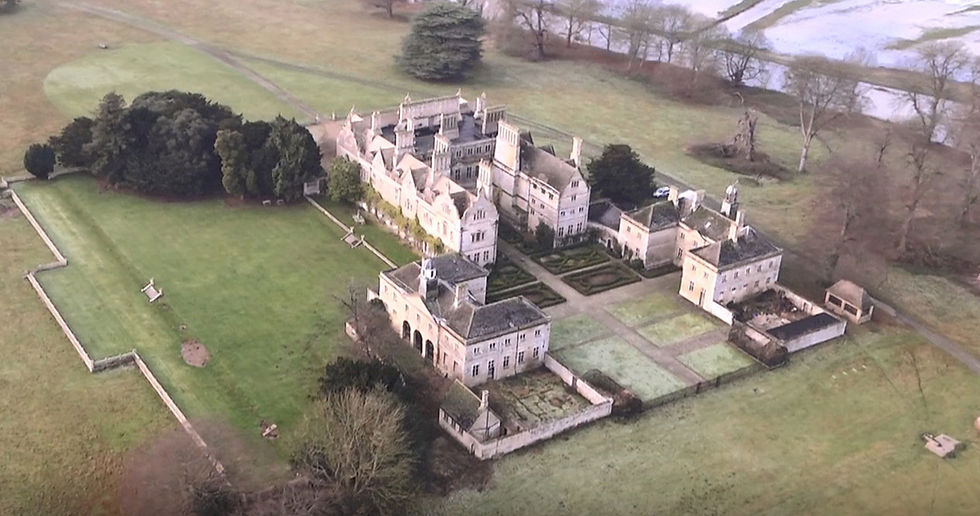
Lilford Hall stands today as it has for centuries, its walls bearing silent witness to history. Whether the disturbances were the product of environmental quirks, psychological influence, unresolved historical trauma, or something beyond current understanding remains uncertain.
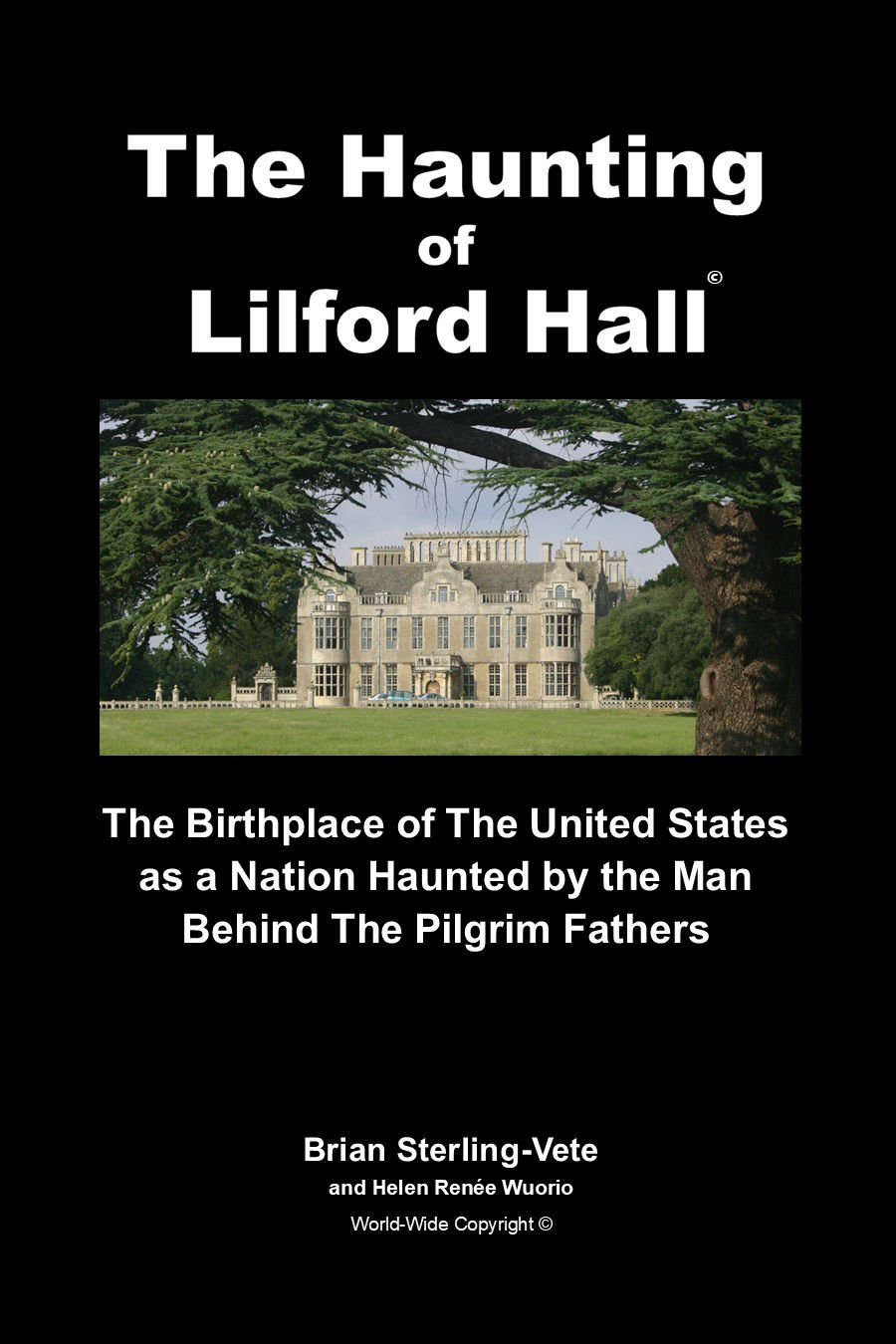
What is undeniable is that a project intended to document the life of a revolutionary thinker unexpectedly produced one of the most perplexing haunting cases of the modern era. A hall steeped in political and spiritual transformation became the stage for phenomena that challenged rational expectations.
Perhaps the events at Lilford Hall were coincidences woven together by atmosphere and imagination. Perhaps they were manifestations of unresolved history. Or perhaps, just perhaps, Robert Browne’s presence lingers still, pacing the corridors of the estate where his ideas once took shape.
Today, Lilford Hall is a private home, and one can only wonder what the current owners have experienced. Therefore, without the ability to mount a significant series of potentially lengthy investigations, the truth remains elusive. And within the quiet rooms of Lilford Hall, the question continues to echo unanswered.
Help, if Needed.
If you or someone you know repeatedly dismisses strange experiences while quietly feeling unsettled, early guidance can prevent escalation. Confidential help is available from Paranormal Rescue, which operates as a sort of fifth emergency service, addressing incidents that fall outside the remit of police, fire, medical, or breakdown services. When unexplained disturbances disrupt normal life, Paranormal Rescue provides calm, structured, evidence-based support.

Written by Brian Sterling-Vete, PhD and Helen Renée Wuorio, TM, RM.
Founders of the Paranormal Rescue Organisation - www.ParanormalRescue.com
British-born Brian Sterling-Vete is a veteran science-based paranormal researcher, field investigator, quantum consciousness researcher, and author with decades of experience researching unexplained phenomena.

American-born Helen Renée Wuorio is a Tarot Master, Reiki Master Teacher, and author. She specialises in intuitive perception, historical symbolism, and research into experiential and quantum consciousness.
Together, they head Paranormal Rescue, a global organisation offering a unique and discreet emergency assistance service and support for those dealing with complex, malevolent and occasionally dangerous paranormal situations.


Comments